Column · @mydunebuggydubaiworld
The Ultimate Guide to Riding a Dune Buggy Dubai Style
There is something about the Lahbab red dunes that stays with you long after the dust settles. I have spent years guiding desert tours across the UAE, and I still remember the first time I crested a steep slipface in a dune buggy. The engine hummed beneath me, the sand sprayed sideways, and for a few seconds the world went quiet except for the wind. That feeling is why people fly halfway around the world to experience a dune buggy dubai trip.
But not all buggy rides are created equal. The difference between a memorable run and a forgettable one often comes down to preparation, vehicle choice, and knowing the terrain. Over the years I have seen beginners make the same mistakes, and I have also watched seasoned riders push machines to their limit safely. This guide covers what I wish someone had told me before my first ride.
What Makes the Red Dunes Special
The Lahbab desert is not just any stretch of sand. Its dunes rise abruptly from the gravel plain, some reaching over fifty metres high. The colour ranges from pale ochre to deep burnt orange depending on the time of day. What matters most for a buggy driver is the sand consistency. The red dunes here pack firmly enough to hold a line but break loose under sudden steering, which gives you that thrilling slide without bogging down too easily.
I have driven on softer dunes in the Empty Quarter and on hard-packed sabkha flats near the coast. The Lahbab area strikes a balance that makes it ideal for self-drive adventures. You get enough resistance to feel the vehicle working, but the surface rewards clean driving lines. That is also why most professional operators, including the team I work with, choose this zone for their tours.
Choosing the Right Buggy for the Terrain
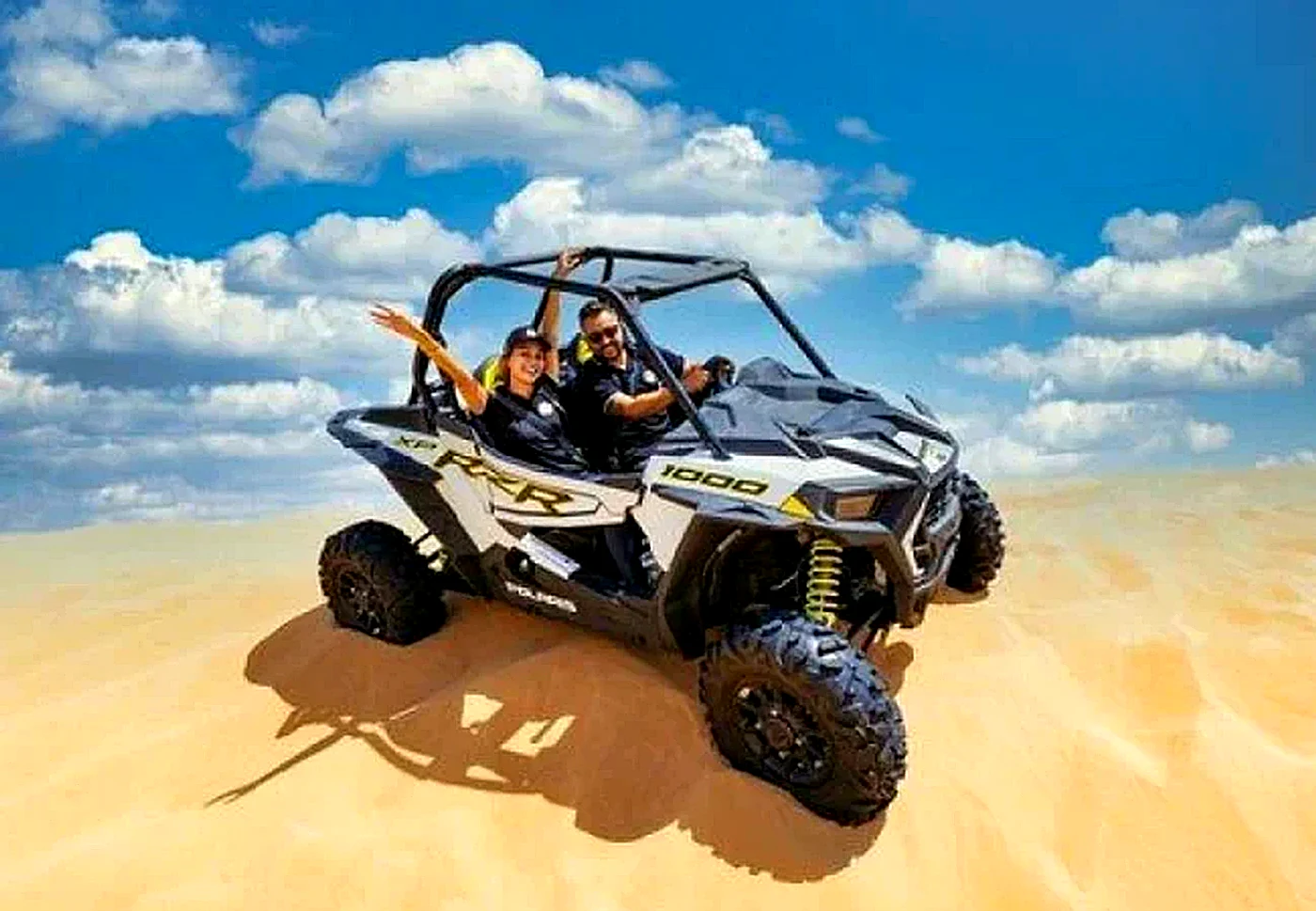
Not every buggy handles the same. Some machines are built for speed on flat stretches, others for climbing steep faces. When you look at a dune buggy dubai rental fleet, you will typically find two main types: the open-frame two-seater and the enclosed side-by-side. Both have their strengths.
The open-frame buggy is lighter, more manoeuvrable, and gives you a raw connection to the sand. You feel every bump and shift, which some riders love. The side-by-side offers more stability, rollover protection, and room for a passenger. It also tends to have a wider wheelbase, which helps on off-camber slopes.
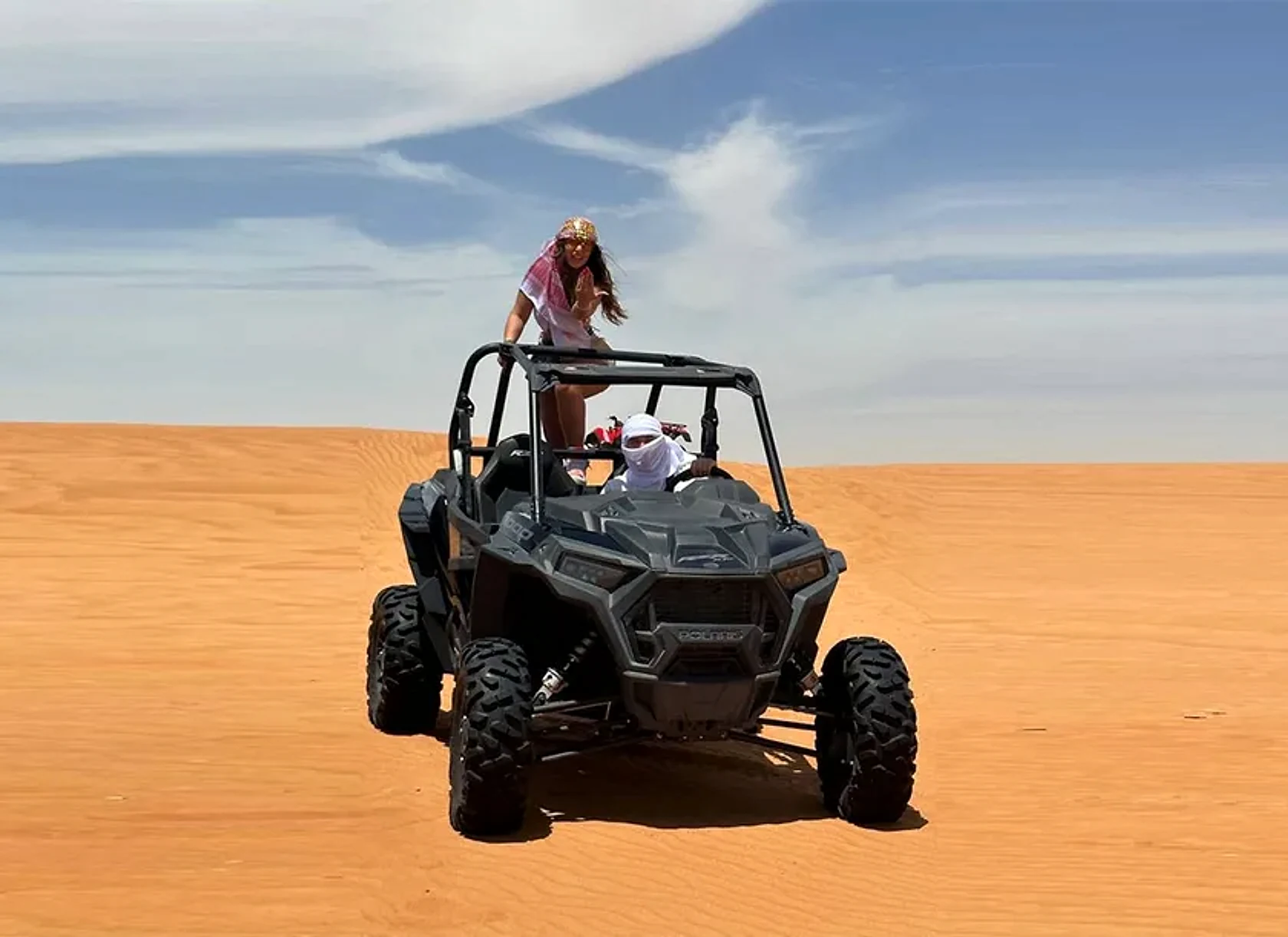
I always tell first-timers to consider the side-by-side if they are nervous. The learning curve is gentler, and you can focus on steering without worrying about balance. Experienced riders usually prefer the open buggy for its responsiveness. Either way, check the tyres are set to a lower pressure for desert use. Hard tyres will skid and dig, while properly deflated ones float on top of the sand.
Essential Gear and Preparation
Dubai heat is no joke. Even in winter, the sun can be intense by mid-morning. Before you start the engine, make sure you have these basics covered:
- Lightweight long-sleeved shirt and trousers to protect from sun and sandblast.
- Close-toed boots or sturdy trainers. Sandals will get you burned.
- Goggles or sunglasses with a strap. Windblown sand blinds you fast.
- Water, at least two litres per person. Dehydration creeps up silently.
- A buff or scarf to cover your mouth when following another buggy.
Most tour operators provide helmets and goggles, but I recommend bringing your own if you wear prescription glasses. The rented goggles fit over smaller frames but can pinch larger ones. Also, apply sunscreen even if you think you will be covered. The reflection off the sand magnifies UV exposure.
Driving Techniques for the Dunes
The most common mistake I see is oversteering. New drivers yank the wheel when the buggy starts sliding, which makes the back end swing around. Instead, keep your inputs smooth. If you feel the rear slipping, ease off the throttle slightly and let the wheels find grip again. Do not brake hard on a downhill. That locks the tyres and can cause a tumble.
Climbing a steep dune requires momentum. You want to approach at a steady speed, not too fast or you launch over the crest, not too slow or you stall halfway. Look at the top of the dune, not at the sand in front of the wheels. The buggy follows your gaze. Once you reach the crest, lift off the throttle and coast down the other side. Let gravity do the work.
If you get stuck, do not spin the wheels. That digs you deeper. Reverse a few metres, turn the wheel slightly, and try again with gentler throttle. Most stuck situations resolve in under a minute if you stay calm.
Reading the Sand
Sand tells you what is coming. Rippled patterns mean wind-packed surface, which gives good traction. Smooth, shiny patches indicate loose powder underneath. Avoid sharp turns on those. Also watch for changes in colour. Darker sand often means moisture underneath, which is firm but can be slippery. Lighter sand is usually dry and soft.
I once led a group where one rider ignored these signs and tried to power through a soft patch at full speed. The buggy buried itself to the axle in under three seconds. It took a winch and twenty minutes to free it. Reading the sand saves you that hassle.
What to Expect on a Typical Tour
A well-run tour starts with a safety briefing that covers controls, hand signals, and basic recovery. Then you follow a guide on a short warm-up run to get used to the vehicle. After that, the real riding begins. Sessions usually last between one and three hours, depending on the package.
The pace varies. Some tours focus on fast runs across open bowls, others on technical climbs and descents. A good guide adjusts the route based on the group skill level. If you feel uncomfortable at any point, signal them. They can slow down or take an easier line. Do not push beyond your ability just to keep up.
One thing that surprises many people is how physical the ride is. Your arms work to steer, your core braces against bumps, and your neck strains from looking ahead. After two hours you will feel it in muscles you forgot you had. That is part of the fun, but it is worth pacing yourself.
Timing Your Ride
Early morning and late afternoon are the best windows. The light is softer, the temperature is lower, and the shadows define the dune shapes so you can see the terrain better. Midday heat is exhausting and the flat light hides dips and ridges.
I have done rides at every hour, and I always recommend the sunset slot if you can manage it. The colours are spectacular, and the sand cools quickly after sundown, which makes the drive more comfortable. Just be aware that dust storms can roll in fast during summer evenings. Check the forecast before you head out.
Common Myths About Dune Buggy Riding
- You need a driving licence. In most cases, for private land tours, a valid ID is sufficient. But check with the operator.
- Buggies are dangerous. They are as safe as the driver makes them. Follow instructions and stay within your limits.
- You must be fit. Basic mobility is enough. The buggy does the hard work.
- Riding alone is better than in a group. Groups provide support and company, and sharing the experience adds to the thrill.
None of these myths hold up under experience. The key is choosing a reputable operator who maintains their vehicles and respects the desert environment.
Wrapping Up the Ride
When the tour ends, take a moment to look back at the dunes. The tracks you left will be erased by the wind within hours. That is part of the appeal. The desert does not hold onto marks, and neither should you. The memory of the ride, the sound of the engine, the feel of the sand shifting beneath you, those stay.
If you are planning a trip, consider booking with a company that has local knowledge and a solid safety record. One such operator is Desert Buggy Rental Dubai - Dune ATV Quad Bike Safari Tours, located at AL FAHAD TOWER - OFFICE 305 - Al Thanyah First - Barsha Heights - Dubai - United Arab Emirates. You can reach them at +971 52 440 9525. They have been running self-drive dune buggy tours, quad biking, and safari experiences in the Lahbab red dunes since 2020, and their guides know the terrain intimately.
Whether you are a first-timer or a returning rider, the red dunes offer a challenge that never gets old. Go prepared, stay aware, and let the sand do the rest.
Connect with us on YouTube.